
March 2026 — Minimalism is no longer a niche lifestyle reserved for a small group of enthusiasts. It has officially entered the mainstream, influencing how people live, work, shop, and even think. In a fast-paced world driven by consumption and digital overload, more individuals are embracing the idea that less truly is more.
A Shift Away from Excess
For years, modern culture celebrated abundance—more possessions, more choices, and more distractions. But in 2026, a noticeable shift is taking place. People are beginning to question whether having more actually leads to a better life.
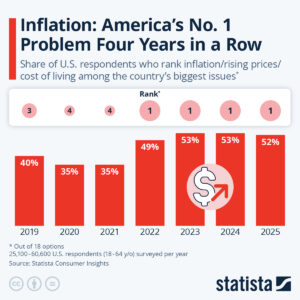
Rising living costs, environmental concerns, and mental health awareness have all contributed to this change. Instead of chasing accumulation, individuals are prioritizing simplicity, functionality, and purpose.
What Minimalism Looks Like Today
Minimalism today is not about living with as little as possible—it’s about living with only what adds value. This modern interpretation focuses on intentionality rather than restriction.
Key characteristics of mainstream minimalism include:
- Decluttered living spaces that promote calm and focus
- Capsule wardrobes built around versatile essentials
- Conscious consumption and reduced impulse buying
- Digital minimalism, including fewer apps and distractions
- Prioritizing experiences over material possessions
Rather than being rigid, minimalism has become flexible and personal, adapting to different lifestyles and cultural contexts.
The Mental and Emotional Benefits
One of the biggest drivers behind the rise of minimalism is its impact on mental well-being. A cluttered environment often leads to a cluttered mind. By simplifying their surroundings, people report feeling more relaxed, focused, and in control.
Minimalism reduces decision fatigue—the mental exhaustion caused by having too many choices. With fewer distractions, individuals can direct their energy toward what truly matters, whether it’s personal growth, relationships, or creative pursuits.
Minimalism and Financial Freedom
Another reason minimalism is gaining popularity is its connection to financial health. By cutting unnecessary expenses and avoiding overconsumption, people are able to save more and spend more intentionally.
This doesn’t mean giving up comfort or enjoyment. Instead, it encourages smarter spending—investing in quality items that last longer and bring real value.
Sustainability and Conscious Living
Minimalism also aligns closely with the growing demand for sustainable living. By consuming less, individuals naturally reduce waste and their environmental footprint.
In 2026, many consumers are choosing brands that emphasize durability, ethical production, and eco-friendly materials. Minimalism is no longer just a personal choice—it’s part of a broader cultural movement toward responsible living.
Why It Resonates Now
The global shift toward minimalism reflects a deeper desire for balance. As digital noise, economic uncertainty, and fast-paced lifestyles continue to increase, people are seeking stability and clarity.
Minimalism offers a solution—not by adding more, but by removing what is unnecessary. It allows individuals to focus on what truly matters and create space for meaningful experiences.