
Across Europe, political dynamics are undergoing a noticeable shift as far-left parties and progressive coalitions gain greater visibility and influence in national debates. Economic inequality, housing crises, climate concerns, and public dissatisfaction with traditional political elites are fueling renewed interest in socialist and left-wing policy platforms.
While political trends vary by country, analysts observe a broader movement advocating wealth redistribution, stronger labor protections, expanded public services, and more aggressive climate policies.
Economic Pressures Drive Political Realignment
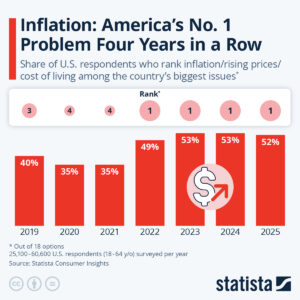
Rising living costs and wage stagnation have become central campaign themes across the continent. Younger voters in particular are expressing frustration over housing affordability, student debt burdens, and limited job security, creating fertile ground for parties promising structural reforms.
These concerns intensified following the economic shocks of the pandemic and energy price volatility linked to geopolitical tensions. As a result, parties promoting social welfare expansion and state intervention are gaining traction in several national elections.
Growing Presence in Major EU Economies
In France, left-wing alliances have strengthened their parliamentary representation by campaigning on pension reform reversals and cost-of-living relief. Meanwhile, progressive parties in Germany continue to influence debates on energy transition policies and social spending priorities.
Southern European countries have also seen renewed momentum among left-leaning political movements advocating public sector investment and employment protections.
Though far-left groups rarely dominate governments outright, their role in coalition negotiations has expanded, allowing them to shape fiscal policy discussions and social legislation.
Policy Priorities and Public Appeal
Key policy proposals from these movements often include:
-
Higher taxation on corporations and wealthy individuals
-
Expansion of universal healthcare and education funding
-
Rent controls and public housing programs
-
Accelerated transition to renewable energy
-
Stronger worker protections and minimum wage increases
Supporters argue such measures reduce inequality and strengthen social safety nets, while critics warn they may increase fiscal burdens and discourage private investment.
Impact on European Union Policy Direction
The growing influence of progressive blocs is also shaping debates within the European Union. Legislative discussions on climate regulations, digital market rules, and fiscal coordination increasingly reflect pressure from left-leaning lawmakers.
Observers note that shifting political balances could influence EU-wide budgeting priorities, environmental targets, and cross-border taxation frameworks.
Political Fragmentation and Coalition Era
Europe’s political environment remains highly fragmented, with no single ideology dominating across the region. Instead, coalition governments are becoming the norm, requiring compromise between centrist, conservative, green, and left-wing parties.
This evolving balance of power suggests that while far-left movements may not control governments independently, their bargaining strength and agenda-setting capacity are likely to remain significant.
Outlook
Political analysts expect the influence of progressive movements to continue growing as economic pressures and generational shifts reshape voter preferences. However, electoral outcomes will depend heavily on national contexts, leadership figures, and broader geopolitical developments.
As Europe navigates economic uncertainty and social change, ideological competition is set to remain a defining feature of the continent’s democratic landscape.