
March 2026 — The global political landscape continues to evolve rapidly, shaped by economic uncertainty, geopolitical tensions, and shifting alliances. Governments around the world are navigating a complex environment where domestic priorities intersect with international pressures, creating a new era of political strategy and global cooperation.
Rising Geopolitical Tensions
Tensions between major global powers remain a defining feature of 2026. Strategic competition in areas such as trade, technology, and military influence continues to intensify. Disputes over regional influence and access to critical resources are driving diplomatic friction, particularly in key regions like Eastern Europe, the Middle East, and the Indo-Pacific.
While open conflict is largely avoided, the rise of “strategic rivalry” has led to increased defense spending and stronger regional alliances.
Economic Pressures Shaping Policy
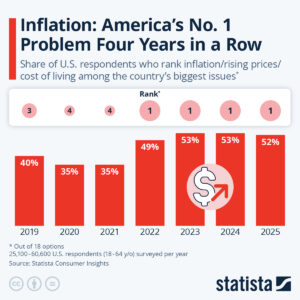
Economic conditions are playing a central role in political decision-making. Governments are balancing inflation control, interest rate policies, and economic growth while addressing public concerns about the cost of living.
In many countries, fiscal policies are being adjusted to support economic stability, including subsidies, tax reforms, and investment in key sectors such as energy and infrastructure. These decisions are not only economic—they are deeply political, influencing voter sentiment and public trust.
Elections and Shifting Leadership
Several major elections around the world are influencing the direction of global politics in 2026. Voters are increasingly focused on issues such as economic stability, job security, and national identity.
A noticeable trend is the rise of leaders who campaign on pragmatic solutions rather than ideological extremes. However, political polarization remains a challenge in many regions, with social media continuing to amplify divisions.
Energy and Climate Policy at the Center
Energy security and climate change remain at the forefront of political agendas. Governments are working to balance the transition to renewable energy with the need for stable and affordable energy supplies.
This balancing act has led to a mix of policies—continued investment in traditional energy sources alongside accelerated development of clean energy technologies. International cooperation is crucial, but progress remains uneven.
The Role of Technology in Politics
Technology is reshaping politics in unprecedented ways. Artificial intelligence, digital surveillance, and cybersecurity are now critical components of national strategy.
At the same time, concerns over misinformation, data privacy, and election security are prompting governments to introduce new regulations. The challenge lies in maintaining democratic values while managing technological risks.
A Shift Toward Multipolarity
Perhaps the most significant trend in global politics is the shift toward a multipolar world. Power is no longer concentrated in a few dominant nations. Emerging economies are gaining influence, and regional alliances are becoming more important.
This shift is creating both opportunities and uncertainties. While it allows for more balanced global representation, it also complicates international decision-making.