
Global markets are facing renewed uncertainty as rising geopolitical tensions around the Strait of Hormuz spark fears of disruptions to international trade and economic growth.
The narrow maritime corridor, located between Iran and Oman, is considered one of the world’s most critical energy chokepoints. Nearly one-fifth of global oil consumption passes through the strait each day, making it a vital artery for energy-hungry economies in Asia, Europe, and North America.
Energy Markets on Edge
Any threat to shipping routes in the Strait of Hormuz immediately triggers volatility in global energy markets. Oil traders are particularly sensitive to geopolitical developments in the region, as even minor disruptions can reduce supply and drive prices sharply higher.
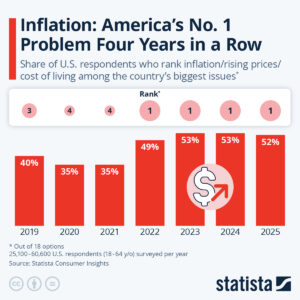
Rising oil prices often fuel inflationary pressures worldwide. Countries heavily dependent on energy imports face increased production and transportation costs, which may slow industrial activity and consumer spending.
Supply Chain Vulnerabilities
Beyond energy, the strait plays a significant role in broader global trade. Liquefied natural gas (LNG), petrochemicals, and other critical commodities pass through the region daily. Prolonged instability could disrupt global supply chains that are still recovering from pandemic-era setbacks and recent regional conflicts.
Shipping companies may be forced to reroute vessels, leading to longer delivery times and higher freight costs. Insurance premiums for cargo moving through high-risk areas could also surge, adding further strain to international commerce.
Impact on Global Economic Growth
Economic analysts warn that extended disruption in the region could dampen global growth prospects. Emerging markets are particularly vulnerable, as higher energy prices weaken currencies, widen trade deficits, and strain government budgets.
Major economies, including those in East Asia and Europe, could see manufacturing slowdowns if energy supplies become constrained. Investors typically respond to such uncertainty by moving capital into safer assets, potentially reducing investment flows into developing regions.
Geopolitical Risk Premium
Financial markets often price in what analysts call a “geopolitical risk premium” during periods of tension. This can lead to fluctuations in stock markets, currency valuations, and commodity prices.
If diplomatic efforts fail to stabilize the situation, prolonged uncertainty may discourage cross-border investments and delay major infrastructure and energy projects worldwide.
Strategic Importance to Global Stability
Because of its location linking the Persian Gulf to the Arabian Sea, the Strait of Hormuz remains indispensable to global trade stability. Any escalation that threatens freedom of navigation could have ripple effects far beyond the Middle East.
International observers stress the importance of diplomatic engagement and maritime security cooperation to ensure the uninterrupted flow of goods and energy resources.