Global energy markets are facing renewed uncertainty following rising geopolitical tensions around the Strait of Hormuz, one of the world’s most critical oil shipping routes. Analysts warn that any disruption to traffic through the narrow waterway could have immediate consequences for global oil prices, shipping costs, and international trade.
Strategic Waterway for Global Energy
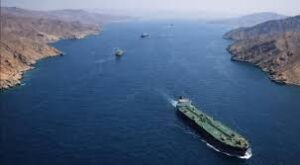
The Strait of Hormuz is responsible for transporting a significant portion of the world’s oil and liquefied natural gas exports. Tankers carrying crude from Gulf producers such as Saudi Arabia, Iraq, Kuwait, and the United Arab Emirates pass through the route daily before heading toward Asia, Europe, and North America.
Recent military tensions involving Iran and the United States have raised concerns among energy traders and governments that the vital corridor could face temporary closure or shipping disruptions.
Energy analysts say even the threat of instability in the region is enough to trigger market volatility.
Oil Prices React to Risk
Following reports of escalating tensions, global oil prices climbed as traders priced in the risk of supply disruptions. Shipping insurers have also raised premiums for vessels traveling through the Gulf region, increasing transportation costs for energy companies.
Market experts note that a prolonged closure of the Strait of Hormuz would significantly tighten global oil supply, potentially driving fuel prices higher around the world.
Countries heavily dependent on imported energy, particularly in Asia and Europe, are closely monitoring developments.
Governments Prepare Contingency Plans
Governments and international organizations are discussing contingency measures to ensure the continued flow of energy supplies. Strategic petroleum reserves may be used to stabilize markets if shipping disruptions persist.
Some Gulf countries have also invested in alternative pipeline routes that bypass the Strait of Hormuz, although these systems cannot fully replace the massive volume of oil transported through the corridor.
Global Business Impact
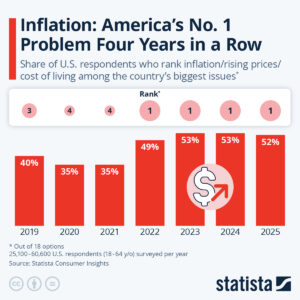
A major disruption in the Strait could have ripple effects across global industries. Higher energy costs would likely increase transportation and manufacturing expenses, potentially adding inflationary pressure to the global economy.
Businesses in aviation, logistics, and shipping would be among the first sectors affected by rising fuel prices and supply chain disruptions.
For now, markets remain watchful. Investors, governments, and corporations are closely tracking developments in the region as tensions continue to shape the outlook for global energy and trade.